
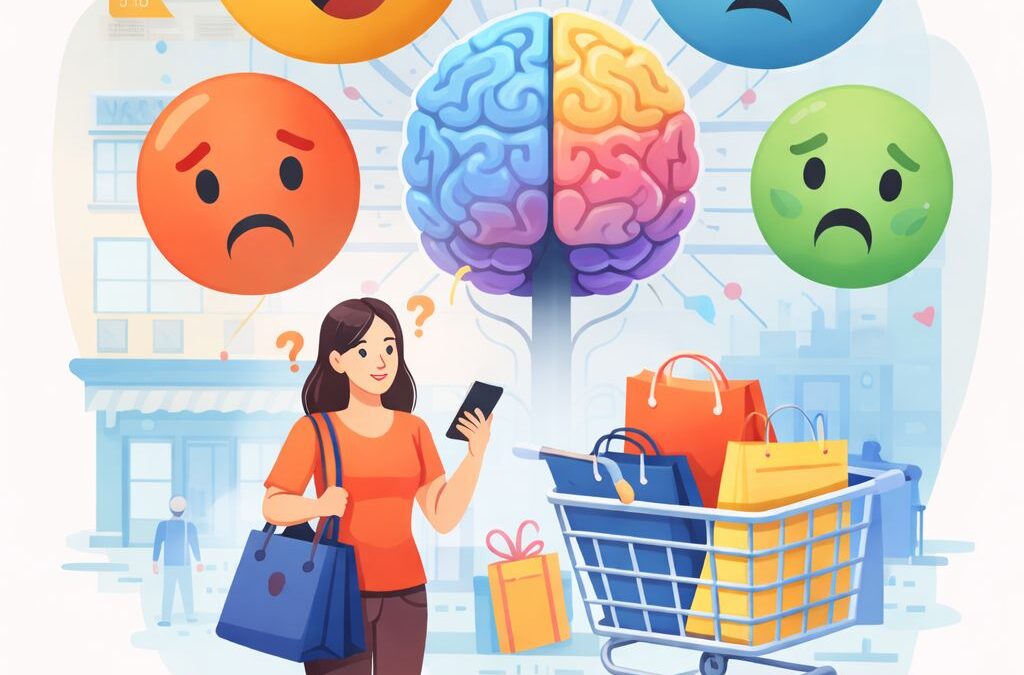
Introduction: The Emotional Side of Consumer Decisions
In today’s highly competitive marketplace, understanding customer emotions has become just as important as understanding product features. While many consumers believe they make purely logical purchasing decisions, research in marketing psychology shows that emotions often play a dominant role.
Whether it is the excitement of a limited-time offer, the comfort of a trusted brand, or the fear of missing out, emotional responses significantly influence how customers evaluate products and make final buying decisions. For marketers, recognizing these emotional drivers is essential for creating campaigns that truly resonate with the target audience.
The Science Behind Emotional Buying
Human decision-making is closely connected to the brain’s emotional processing system. Studies in consumer neuroscience indicate that emotional reactions occur faster than rational analysis. This means customers often feel first and justify later.
When a brand successfully triggers positive emotions such as trust, happiness, or belonging, it reduces purchase hesitation and strengthens brand preference. This is why emotionally intelligent marketing campaigns often outperform purely informational advertising.
Key Emotional Drivers That Influence Purchase
Trust and Security
Trust is the foundation of most buying decisions. Customers are more likely to purchase from brands that appear reliable and transparent. Marketers build trust through consistent branding, customer reviews, guarantees, and professional website design.
Fear of Missing Out (FOMO)
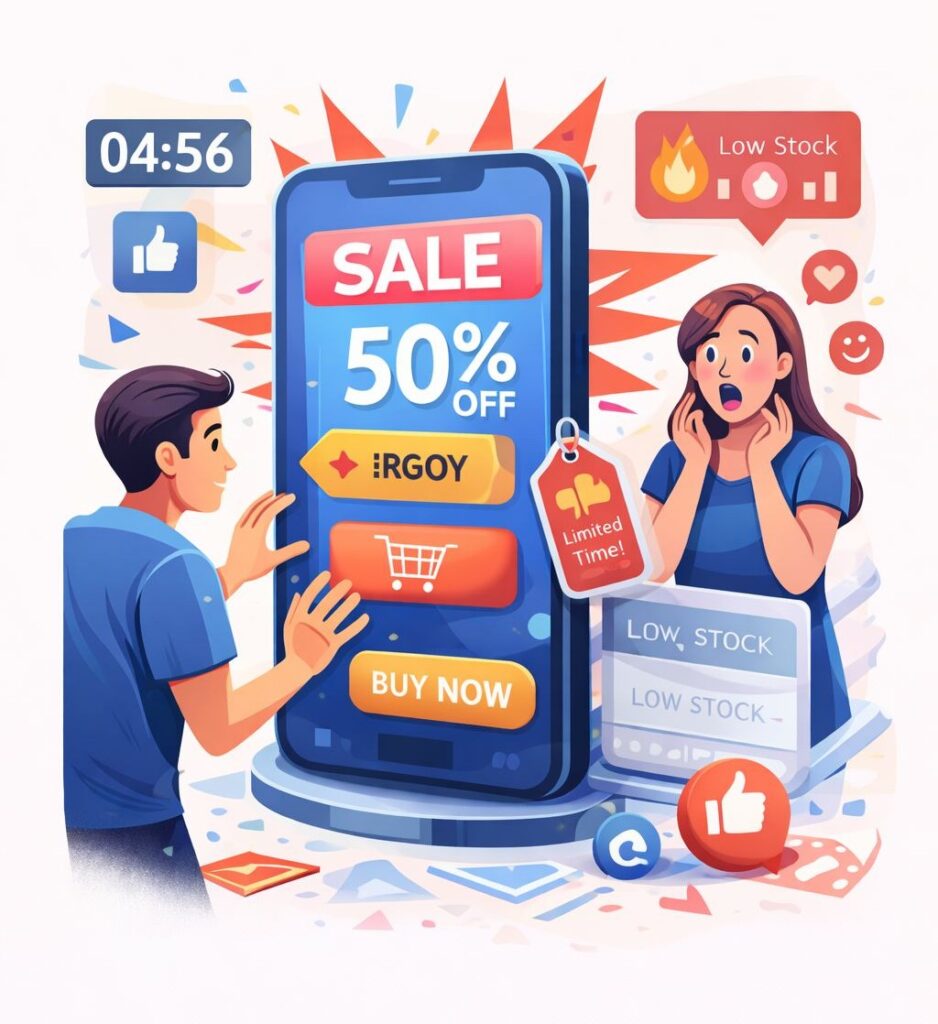
The fear of missing out is a powerful motivator in digital marketing. Limited-time discounts, countdown timers, and low-stock messages create urgency and encourage quicker decisions.
Desire for Happiness and Reward
Many advertisements focus on positive emotional outcomes such as joy, success, or satisfaction. When customers associate a product with positive feelings, their likelihood of purchase increases.
Need for Belonging
Humans naturally seek social connection. Brands that position their products as part of a desirable lifestyle or community often create stronger emotional attachment among consumers.
Practical Implications for Marketer
Understanding emotional behavior allows marketers to design more effective campaigns across the customer journey. For example:
-
Awareness stage → emotional storytelling
-
Consideration stage → trust-building elements
-
Decision stage → urgency and reassurance
When emotional insights are combined with data-driven strategy, marketing performance improves significantly.
Conclusion: Emotion as a Competitive Advantage
Emotions are not a secondary factor in consumer behavior — they are central to it. Businesses that recognize and ethically apply emotional marketing principles can create deeper customer relationships, improve brand recall, and increase conversions.
As we continue exploring marketing psychology, the next articles will examine specific psychological triggers such as social proof and scarcity that further shape consumer decision-making.