
Introduction
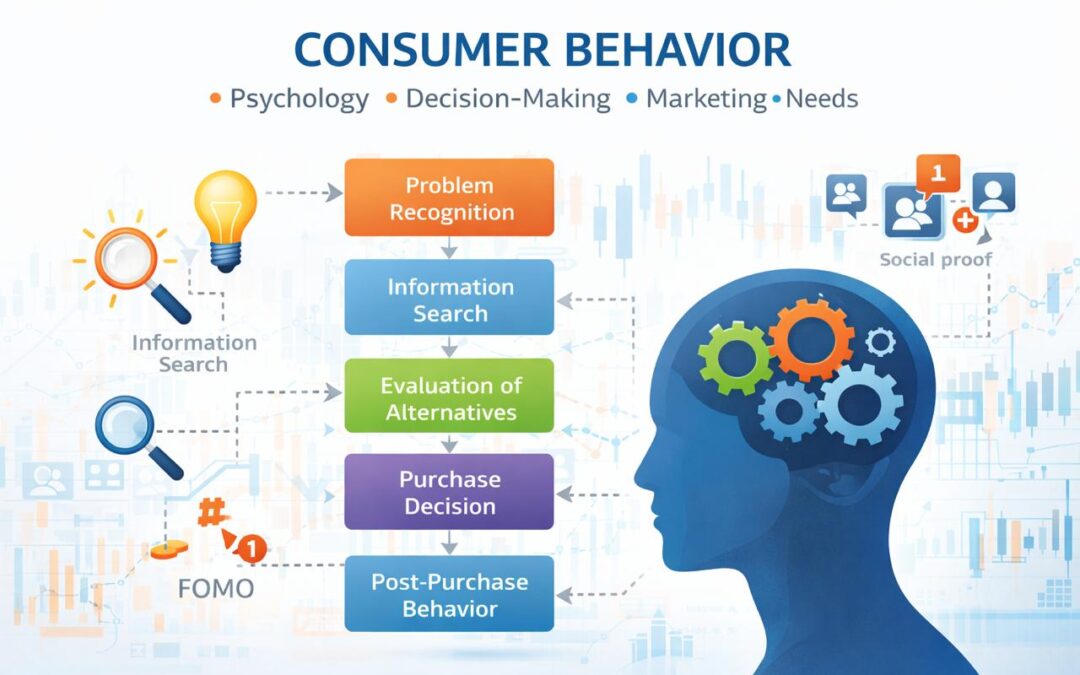
Understanding how consumers make purchasing decisions is one of the most important aspects of marketing psychology. Before buying any product or service, customers go through a mental evaluation process influenced by emotions, information, social factors, and personal needs.
In today’s competitive market, brands that understand this decision-making journey can position their products more effectively and build stronger connections with their audience.
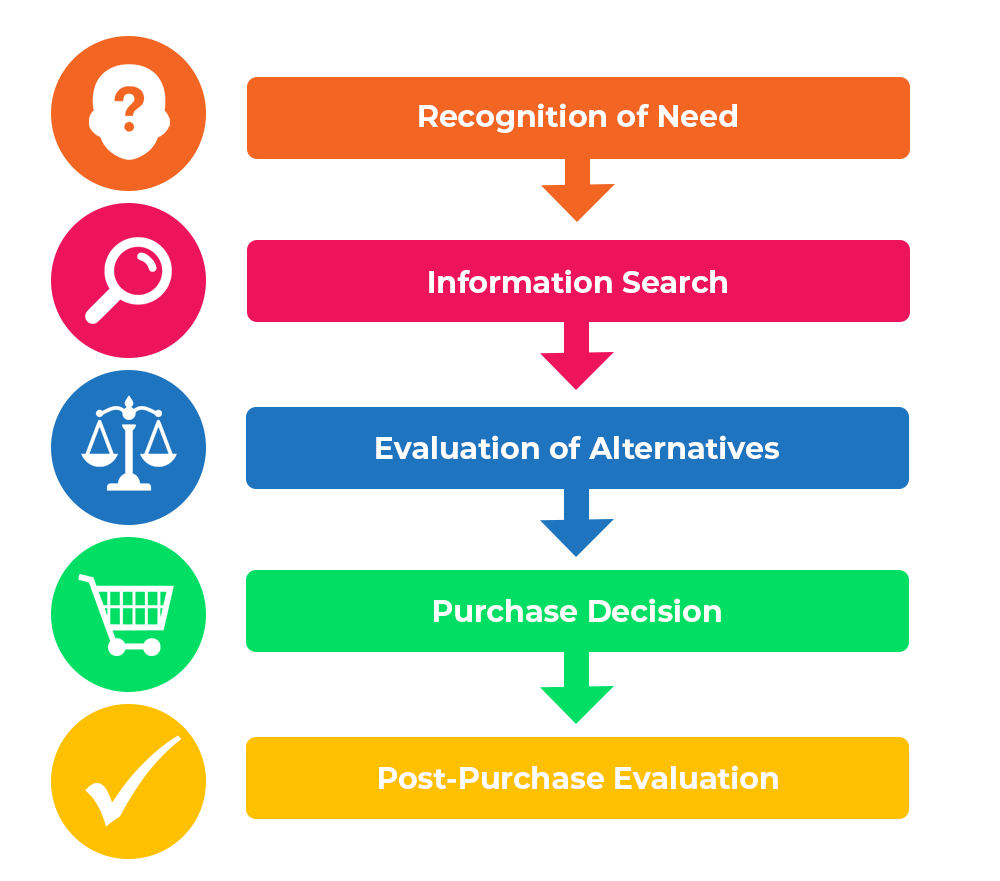
The 5 Stages of Consumer Decision-Making
1. Problem Recognition
The process begins when a consumer realizes a need or problem that requires a solution.
2. Information Search
Consumers start researching available options through search engines, reviews, and recommendations.
3. Evaluation of Alternatives
Different brands and products are compared based on price, features, and perceived value.
4. Purchase Decision
The customer selects the most suitable option and completes the purchase.
5. Post-Purchase Behavior
After buying, the customer evaluates satisfaction, which influences future loyalty and word-of-mouth.
Why This Process Matters for Marketers
Understanding the consumer decision-making process helps marketers:
-
Create targeted marketing strategies
-
Build trust using social proof
-
Position pricing effectively
-
Reduce customer hesitation
-
Improve long-term brand loyalty
Businesses that align their marketing with consumer psychology often see better conversion rates and stronger customer relationships.
Final Thoughts
Consumer decisions are rarely purely logical — they are deeply emotional and psychological. Marketers who understand this journey can design more persuasive campaigns, improve customer experience, and ultimately drive better business results.